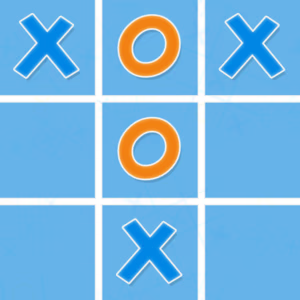
Tic Tac Toe
 Bunny Farm
 Longcat
 Mahjong Connect
 Helix Jump
 Bad Ice-Cream
 Stealing the Diamond
 Blocky Blast Puzzle
 Block Breaker
 Brick Breaker
 Block Blast Puzzle
 Color Block Jam
 Block Blaster
 Tetris
 Hexa Stack
 Big Block Blast
 Paper Block
 BlockBuster Puzzle
 Blocky Rush
 Xmas Block Blast
 Blox Puzzle
 Blox Slider
 Idle Breakout
 Hexa Puzzle
 Wood Block Journey
 Neon Block Blast
 2048
 Sandtris
 Cubes 2048
 Tomb of the Mask
 Candy Crush
 Bloxorz
 block Jam
 Bubble Shooter
 Tetra Twist
 Water Sort Puzzle
 Bricky Blast
 Solitaire
 Suika Game
 Parking Rush
 Free The Key
 Level Devil
 Apple Worm
 Her Trees
 Uno Online
 Happy Glass
 Block Quest
 Bus Stop Jam
 Block Blast Jewel Puzzle
 Spider Solitaire
Challenge Your Mind with Tic Tac Toe - Every Move Counts
Tic Tac Toe is a classic board game where two players compete by arranging X and O symbols in a continuous line. Although the rules are easy to understand, every move requires observation, calculation, and the ability to anticipate the opponent's next move. Choosing the right position at the right time can create a winning opportunity, while a poorly planned move can cause players to lose control of the game.
This version of Tic Tac Toe expands the traditional experience with three board sizes: 3x3, 5x5, and 7x7. The different grid sizes introduce new ways to arrange symbols and create more strategic possibilities in every match. Beginners can start with a smaller board to learn the basic rules before moving on to larger grids and developing their planning skills.
Besides playing directly against another person, the game also features CPU and Training AI modes. These options allow players to choose an experience that suits their goals, whether they want a quick game or an opportunity to sharpen their strategic thinking.
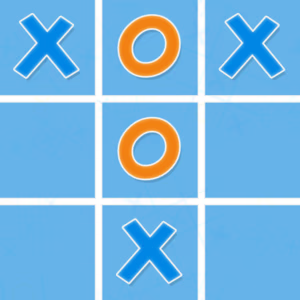
Figure 1. Play Tic Tac Toe across 3×3, 5×5, and 7×7 grids
Understanding the Rules and Board Layouts
Tic Tac Toe uses a grid made up of square cells. Two players take turns placing either X or O in an empty cell. Each cell can hold only one symbol, and a placed symbol cannot be changed. The winning condition depends on the selected board size.
3x3 Board
The 3x3 board is the classic version of Tic Tac Toe, featuring a total of nine cells. Players must create a line of three matching symbols horizontally, vertically, or diagonally to win.
With limited space, every move directly affects the outcome of the match. The center and four corner cells often provide more opportunities for creating winning combinations, while the remaining positions can help block the opponent's progress. If the entire board fills up without either player completing a line of three matching symbols, the game ends in a draw.
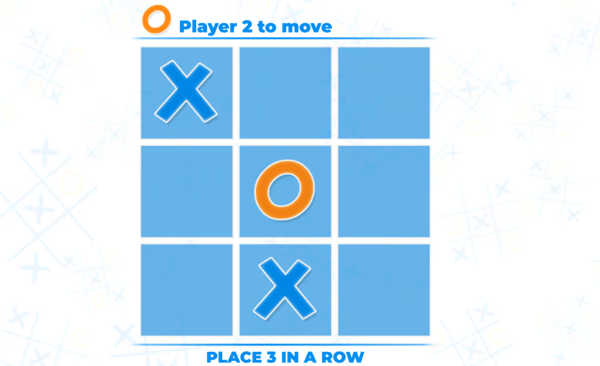
Figure 2. Connect 3 matching symbols to win
5x5 Board
The 5x5 board expands the playing area to 25 cells, creating more room for different strategies. Instead of connecting three symbols as in the classic version, players must line up four matching symbols consecutively to win.
The larger grid makes controlling the entire board more important. A single move can create opportunities in multiple directions, but it can also leave openings for the opponent to build a winning line. Players should carefully check the horizontal, vertical, and diagonal rows before choosing their next position.
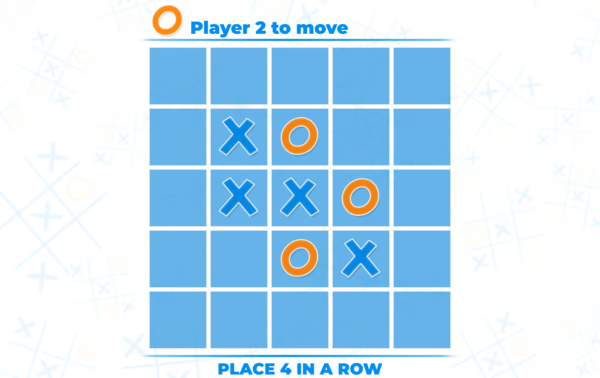
Figure 3. Match 4 symbols across a larger grid
7x7 Board
With 49 cells, the 7x7 board offers the largest playing area among the three options. The winning condition remains the same as the 5x5 board: connect four matching symbols in a row.
At this size, symbols can spread across multiple areas, making it more challenging to keep track of every possible direction. Players need to develop longer-term strategies, control promising positions, and respond quickly to potential threats. The 7x7 board is a great choice for anyone looking to test their calculation skills with more possible moves.
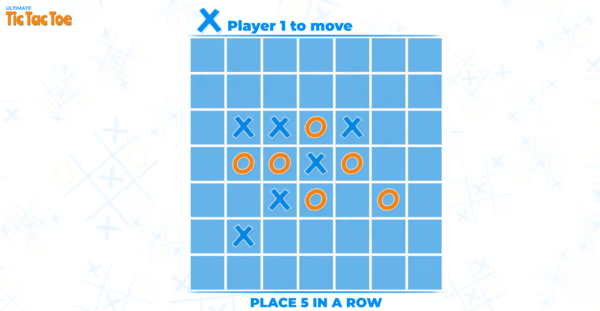
Figure 4. Plan ahead and connect 4 symbols to win
How to Play Tic Tac Toe
Main Objective
The main goal in Tic Tac Toe is to create a continuous line of symbols that meets the winning condition of the selected board. Two players take turns, with one using X and the other using O. Each turn allows a player to select one empty cell.
Controls
The controls are simple and intuitive, allowing players to focus on choosing the right positions instead of learning complicated actions.
- On PC: Use the mouse and left-click an empty cell to place your symbol.
- On mobile phones and tablets: Tap the cell you want to select to make your move.
Available Game Modes
Tic Tac Toe offers three different game modes, covering everything from direct competition to practice sessions against artificial intelligence.
1 Player
In 1 Player mode, you compete against the CPU. This option is perfect when you want to test your skills without needing another opponent. Every move requires you to observe the board, predict possible strategies, and choose the right position to beat the computer. This mode also helps beginners learn how to control key positions, recognize winning opportunities, and respond to unfavorable situations.
2 Players
The 2 Players mode allows two people to play together on the same device. Both players take turns placing X and O in empty cells, competing directly to complete a winning line. It is a great option for quick brain battles with friends or family. Since both players share the same board, every move can change the strategy and create unexpected situations.
Training AI
Training AI focuses on practice and improving strategic thinking. Players can use this mode to develop their ability to read the board, recognize important positions, and consider multiple possible moves before placing a symbol.
Instead of focusing only on winning or losing, practice helps players build better board analysis habits and avoid rushed decisions. This mode is a useful choice for improving skills before taking on more competitive matches.
Figure 5. Compete against a friend on the same device
Winning Strategies to Improve Your Game
Tic Tac Toe requires players to anticipate their opponent's moves and control important positions on the board. The following strategies can help you make smarter decisions:
- Prioritize the center: On a 3x3 board, the center cell belongs to multiple potential winning lines, offering more opportunities for combinations. Controlling this position creates more attacking options while limiting the opponent's chances.
- Control the corners: Corner cells can connect to several horizontal, vertical, and diagonal lines. Securing these positions gives you additional ways to arrange your symbols in future turns.
- Block your opponent at the right time: When your opponent has two matching symbols in a line with only one empty cell remaining, prioritize taking that position to prevent them from winning.
- Create multiple winning opportunities: Avoid focusing on just one line. Arrange your symbols to open up several attacking directions, forcing your opponent to divide their attention when defending.
- Think several moves ahead: On 5x5 and 7x7 boards, the larger number of available positions makes it important to monitor the entire grid. Keep an eye on horizontal, vertical, and diagonal lines to spot opportunities before your opponent takes control of them.
Why Should You Try Tic Tac Toe?
Tic Tac Toe offers simple entertainment while still providing meaningful challenges for logical thinking. The three board sizes change the complexity of each match, while the 1 Player, 2 Players, and Training AI modes support different playing styles. Its easy-to-learn controls also make the game accessible on both computers and mobile devices.
After a few rounds of Tic Tac Toe, players can explore other puzzle games such as Block Blast, Candy Crush, 2048, and Idle Breakout. Each title offers a different challenge, from arranging blocks and matching colorful candies to merging numbers and breaking blocks with a ball. These games are fun alternatives for switching up your experience while continuing to sharpen your observation and calculation skills during your free time.