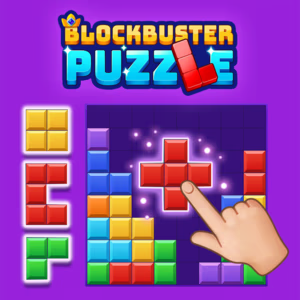
BlockBuster Puzzle
 Bunny Farm
 Longcat
 Mahjong Connect
 Helix Jump
 Bad Ice-Cream
 Stealing the Diamond
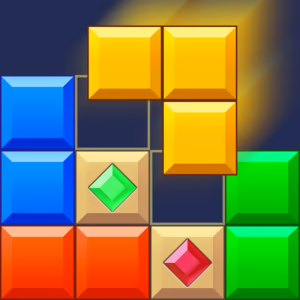 Blocky Blast Puzzle
 Block Breaker
 Brick Breaker
 Block Blast Puzzle
 Color Block Jam
 Tetris
 Block Blaster
 Big Block Blast
 Paper Block
 Hexa Stack
 Blocky Rush
 Xmas Block Blast
 Blox Puzzle
 Blox Slider
 Idle Breakout
 Hexa Puzzle
 Wood Block Journey
 Neon Block Blast
 Sandtris
 2048
 Cubes 2048
 Tomb of the Mask
 Candy Crush
 Bloxorz
 block Jam
 Bubble Shooter
 Tic Tac Toe
 Tetra Twist
 Water Sort Puzzle
 Bricky Blast
 Solitaire
 Suika Game
 Parking Rush
 Free The Key
 Level Devil
 Apple Worm
 Her Trees
 Uno Online
 Happy Glass
 Block Quest
 Bus Stop Jam
 Block Blast Jewel Puzzle
 Spider Solitaire
The Idea Behind BlockBuster Puzzle
When moving into a new apartment, a college student has to pack all their belongings into cardboard boxes with limited space. Clothes, books, personal items, and small accessories all come in different shapes and sizes. At first, packing seems easy, but placing things randomly wastes valuable space and leaves other items without a suitable spot.
To solve the problem, the student starts sorting belongings by size and trying different arrangements. Smaller items go into gaps between larger ones, while longer objects are placed along the sides of the boxes to make better use of the available space. Sometimes, putting just one item in the wrong spot means rearranging everything. After several attempts, all the belongings finally fit neatly without needing extra boxes.
This moving experience shows that making the most of limited space requires observation and planning rather than simply filling empty spots. Every choice affects where the next item can go, and a smart arrangement can make a big difference. This everyday situation inspired the idea behind BlockBuster Puzzle, turning the challenge of organizing space into a block based puzzle game.
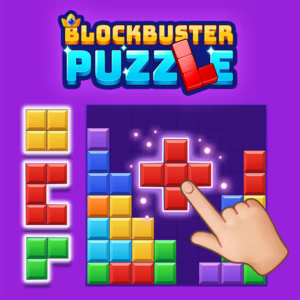
Figure 1. Make every move count in BlockBuster Puzzle
BlockBuster Puzzle Board Design and Block Shapes
The game features a grid based board made up of square cells that help players determine where to place each block. This layout keeps every move clear and easy to follow. Each block occupies a specific group of cells, while the empty spaces on the board determine which placements are possible.
Blocks are made of small squares arranged into different geometric shapes. Some are short and compact, making them suitable for narrow gaps, while others are longer or have protruding sections that require more careful placement. These variations turn every move into a spatial puzzle rather than a random attempt to fill the board.
BlockBuster Puzzle Gameplay
Drag and Drop Blocks onto the Board
Each turn, players receive blocks of different shapes in an area beside the game board. The task is to select a block, drag it to a suitable position on the grid, and release it. A block can only be placed when its entire shape fits within the board without overlapping occupied cells.
Complete Rows or Columns
The main goal in the game is to arrange blocks to fill an entire horizontal row or vertical column without leaving any empty cells. Once a line is complete, all the cells in that line are cleared, opening up space for the next moves.
This mechanic creates a continuous puzzle loop: place blocks, complete lines, free up space and keep arranging. Clearing a line at the right moment can open up a crowded area and make room for blocks with trickier shapes. On the other hand, focusing only on the nearest empty spaces can split the board into several small sections that are difficult to use.
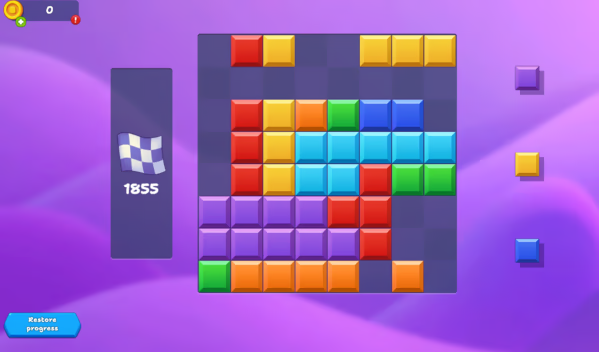
Figure 2. Find the perfect fit and keep your board clear
Score Points and Build Combos
Players earn points by placing blocks and completing lines according to the game's scoring system. Some blocks feature gemstone decorations and offer higher point values, adding another objective to the arrangement process. Choosing where to place them may require balancing the chance to complete a line with the opportunity to make the most of these special blocks.
Combos happen when a single move clears multiple lines at once. Instead of completing rows or columns one at a time, players can position blocks to connect several nearly completed lines. A well planned placement clears more cells and boosts the score in a single move.
How to Control BlockBuster Puzzle
The game uses simple drag and drop controls on both computers and mobile devices.
- Computer: Press and hold the left mouse button on a block, drag it to the desired position on the board, and release the button to place it.
- Phones and tablets: Touch and hold a block, drag it to a suitable position, and release your finger to complete the move.
Notable Features of BlockBuster Puzzle
Gemstone Blocks and Collection Tasks
Gemstone decorated blocks add extra scoring goals to the core block arranging mechanic. Players need to pay attention to their positions and look for ways to combine them with nearly completed lines to maximize their points. When gemstone collection tasks are available, keeping track of these objectives can also guide decisions throughout a round instead of focusing solely on keeping the board open.
Helpful Tools
Support tools, when available in the version being played, can help players handle difficult arrangements or adjust their strategy as the board fills up. Their main value lies in providing extra options at critical moments. However, using them effectively still requires careful observation and planning, since a poorly chosen block placement can make later moves more difficult.
Play BlockBuster Puzzle Online
BlockBuster Puzzle is a great fit for players who enjoy block puzzles and want to test their observation skills while finding efficient ways to arrange shapes. Start by completing simple lines, then experiment with combined moves to create combos and earn higher scores. Each round presents a different arrangement challenge, making space management an essential part of every decision.
Looking for another game in the same genre? Give Block Blast a try. It also focuses on placing blocks on a board, completing rows or columns, and keeping enough space for future moves. Trying both games gives players more ways to enjoy block arranging challenges and discover the puzzle style that suits them best.