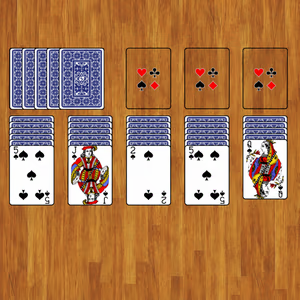
Spider Solitaire
 Bunny Farm
 Longcat
 Mahjong Connect
 Helix Jump
 Bad Ice-Cream
 Stealing the Diamond
 Blocky Blast Puzzle
 Block Breaker
 Brick Breaker
 Block Blast Puzzle
 Color Block Jam
 Block Blaster
 Tetris
 Hexa Stack
 Big Block Blast
 Paper Block
 BlockBuster Puzzle
 Blocky Rush
 Xmas Block Blast
 Blox Puzzle
 Blox Slider
 Idle Breakout
 Hexa Puzzle
 Wood Block Journey
 Neon Block Blast
 2048
 Sandtris
 Cubes 2048
 Tomb of the Mask
 Candy Crush
 Bloxorz
 block Jam
 Bubble Shooter
 Tic Tac Toe
 Tetra Twist
 Water Sort Puzzle
 Bricky Blast
 Solitaire
 Suika Game
 Parking Rush
 Free The Key
 Level Devil
 Apple Worm
 Her Trees
 Uno Online
 Happy Glass
 Block Quest
 Bus Stop Jam
 Block Blast Jewel Puzzle
Spider Solitaire - A Card Game That Challenges Your Strategic Thinking
The Origins and Features of Spider Solitaire
Spider Solitaire is a single player card game in the classic Solitaire family. The game became widely popular through its built-in version on Microsoft Windows, where it became a familiar choice for players who enjoy mental challenges. With gameplay centered on arranging and removing cards, Spider Solitaire offers an experience that is easy to understand but still requires careful planning.
The game uses two standard decks of playing cards, for a total of 104 cards. All cards are distributed across 10 main columns, creating the playing area where players arrange different sequences. The goal is to build eight complete sequences in descending order, starting with King (K) and ending with Ace (A). Once a sequence of the same suit is completed, all its cards are automatically removed from the board.
One of the defining features of Spider Solitaire is the relationship between card rank and suit. Cards can be arranged in descending order regardless of their suits, but matching suits is necessary to move an entire sequence together. As a result, every decision affects how much space players can create and how easily they can complete future sequences.
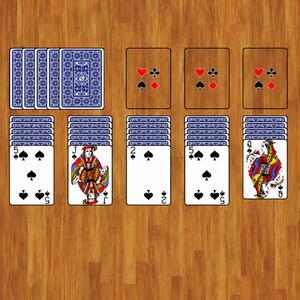
Figure 1. Every card can change your next move in Spider Solitaire
Understanding the Playing Field
The Spider Solitaire board is divided into four main areas, each serving a different purpose during the card arrangement and removal process.
- Tableau: Consists of 10 main columns where players arrange cards and build descending sequences.
- Stockpile: The reserve deck that provides an additional row of cards when players need more options.
- Face-down Cards: Hidden cards underneath face-up cards. Players must move the cards above them to reveal these hidden cards.
- Completed Sequences: Complete sequences of the same suit, running from King to Ace. Once finished, each sequence is automatically removed from the board.
The Tableau is the central area of Spider Solitaire, where most of the action takes place. Players need to examine all 10 columns to find cards that can be combined while identifying the face-down cards that need to be revealed.
Meanwhile, the Stockpile provides additional options when players need more cards. Each time it is used, the game deals one new card to every active column. Therefore, choosing the right moment to deal cards directly affects the arrangement and the moves available afterward.
Initial Card Setup
A standard Spider Solitaire game begins with 104 cards divided into two sections. Of these, 54 cards are distributed across the Tableau, while the remaining 50 cards are placed in the Stockpile. The initial arrangement follows these rules:
- A total of 54 cards are dealt into 10 main columns.
- The first four columns contain six cards each.
- The remaining six columns contain five cards each.
- Only the top card in each column is face up, while all cards underneath remain face down.
- The remaining 50 cards form the Stockpile, ready to be dealt in five rounds of 10 cards each.
This setup creates a balance between the information already visible and the cards players have yet to discover. At the beginning, each column reveals only one face-up card, making it important to uncover the hidden cards. Players need to use the available cards wisely to free up the positions underneath and create more options for upcoming moves.
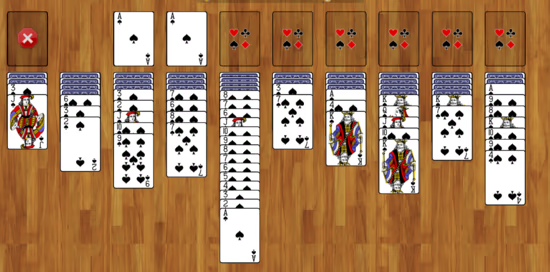
Figure 2. Spider Solitaire puts your card skills to the test with 104 cards
How to Play Spider Solitaire
Main Objective
The main objective of Spider Solitaire is to remove all 104 cards from the board by completing eight sequences of the same suit. Each sequence contains 13 cards arranged in descending order:
King → Queen → Jack → 10 → 9 → 8 → 7 → 6 → 5→ 4 → 3 → 2 → Ace.
Once a complete sequence of the same suit is formed, the game automatically removes all 13 cards from the Tableau. This frees up space and creates more opportunities to arrange the remaining cards.
Players must complete all eight sequences to win. This requires managing multiple columns at once, as a single sequence may involve cards located in different positions across the board.
Card Movement Rules
Spider Solitaire allows players to arrange cards in descending order. A card can be placed on another card that has a value exactly one rank higher. For example, an 8 can be placed on a 9, while a Queen can be placed on a King. However, not every group of cards can be moved together. Only sequences with consecutive ranks and matching suits can be moved as a group. This is an important rule that distinguishes flexible sequences from groups of cards that are temporarily arranged together despite having different suits.
When a column is completely cleared, players can use the empty space to place either a single card or a valid sequence. Empty columns provide valuable room to separate groups of different suits, reveal hidden cards, and reorganize the Tableau. Additionally, completing a full sequence of the same suit from King to Ace removes the entire group of cards. Players need to combine these rules effectively to gradually reduce the number of cards on the board.
Helpful Features
Besides the basic card arrangement mechanics, Spider Solitaire includes several helpful features that make gameplay more convenient. These tools allow players to manage their games, reverse previous decisions, and adjust how the game handles certain moves.
- Undo: Reverses the previous move when players realize their latest decision was not the best option. This feature is useful for testing different card arrangements.
- Restart: Starts the game over and restores the cards to their original positions. It is a suitable option for players who want to try a new strategy.
- Auto: Automatically handles certain valid card movements. Players can turn this feature off to control every move and choose their preferred card positions.
- Card Movement: Supports selecting and moving cards between columns, making the arrangement process more intuitive.
These features give players greater flexibility throughout the game. In particular, turning off Auto provides more control over individual moves, making it a useful choice for those who prefer to work out their own solutions.

Figure 3. Using helpful tools to manage card movements
Tips to Win Spider Solitaire
To complete a game more effectively, players need to pay attention to card order and make the most of the available options on the board. Here are some useful tips:
- Prioritize revealing face-down cards: Move the cards above hidden ones to uncover new options. This expands your choices and creates opportunities to build suitable sequences.
- Create empty columns strategically: Clear an entire column to gain more room for card movement. Use this space to rearrange sequences or uncover cards that are still hidden.
- Avoid dealing new cards too soon: Check your available moves before using the Stockpile. Focus on completing same-suit sequences and making the most of existing arrangement opportunities.
- Turn off Auto when needed: Disable automatic card movement to maintain control over every action. This allows you to choose the order of your moves and avoid missing potentially useful arrangements.
Final Thoughts
No two Spider Solitaire games offer exactly the same card arrangement. As new cards are revealed, fresh possibilities emerge, pushing players to adjust their strategies and consider each move carefully. The combination of logic, observation, and unexpected turns keeps the game engaging across repeated sessions.
After tackling the strategic card sequences, players can switch to Block Blast for a different kind of challenge. The game features three-dimensional blocks and asks players to choose where to place each piece to complete rows and columns. Every round introduces a new arrangement, giving players more chances to chase higher scores and discover the fun of block puzzles.