Block Blast
 Bunny Farm
 Longcat
 Mahjong Connect
 Helix Jump
 Bad Ice-Cream
 Stealing the Diamond
 Blocky Blast Puzzle
 Block Breaker
 Brick Breaker
 Block Blast Puzzle
 Color Block Jam
 Block Blaster
 Tetris
 Hexa Stack
 Paper Block
 Big Block Blast
 BlockBuster Puzzle
 Blocky Rush
 Xmas Block Blast
 Blox Puzzle
 Blox Slider
 Idle Breakout
 Hexa Puzzle
 Wood Block Journey
 Neon Block Blast
 2048
 Sandtris
 Tomb of the Mask
 Cubes 2048
 Candy Crush
 block Jam
 Bloxorz
 Tic Tac Toe
 Bubble Shooter
 Tetra Twist
 Water Sort Puzzle
 Bricky Blast
 Solitaire
 Suika Game
 Parking Rush
 Free The Key
 Level Devil
 Apple Worm
 Uno Online
 Happy Glass
 Her Trees
 Block Quest
 Bus Stop Jam
 Block Blast Jewel Puzzle
 Spider Solitaire
The Idea Behind Block Blast and Making Small Breaks Matter
Inspiration: The Big Bang and the Birth of the Universe
About 13.8 billion years ago, the universe began expanding from an extremely hot and dense state. This event, known as the Big Bang, marked the beginning of the universe as we know it today. As space continued to expand and cool, matter gradually formed, laying the groundwork for stars, galaxies, and planetary systems to emerge over billions of years.
However, the universe did not take its complete shape in its earliest moments. Its formation was a long process in which tiny elements gradually came together and developed into more complex structures. Under the force of gravity, clouds of gas and dust in space contracted, creating the conditions for stars to form. Inside these stars, nuclear reactions produced many elements that later contributed to the matter making up planets and the worlds around us.
Imagine an early universe without glowing galaxies or familiar planets. Everything was still changing, gradually opening the door to new possibilities. From this initial state, space became richer with countless celestial bodies, colors, and structures. This transformation from simple beginnings into a vast universe is what makes the story of the Big Bang so fascinating.
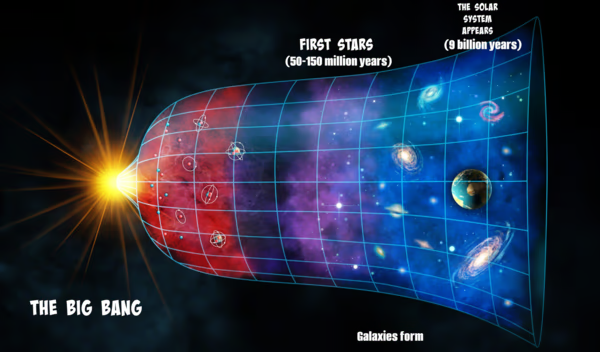
Figure 1. Creative ideas from the Big Bang mission
An Exciting Story: A Traveler in a Universe of Blocks
At the edge of a distant galaxy, a traveler receives a mysterious signal from an unexplored region of space. The signal leads to an area filled with countless blocks of different colors and shapes. This place was once a massive energy station, but an accident shut down its control system, causing the inner sections to gradually lose stability.
To restore the energy station, the traveler must explore each area and find ways to activate the remaining block structures. Every area has its own layout, requiring careful observation to determine the right place for each block. Some challenges can be solved quickly, while others require several steps of planning.
Along the journey, the traveler discovers energy cores sealed inside incomplete structures. Once these cores are activated, part of the station lights up again, opening the way to the next area. However, the remaining energy supply is limited, forcing the traveler to consider each decision rather than act without a plan.
As the traveler moves deeper into the station, the challenges demand greater planning and adaptability. Early choices may affect the space available for later moves, so solving a problem involves more than completing the task at hand. The traveler must consider the entire structure, predict possible changes, and find the most suitable solution.
Block Blast Gameplay
Block Blast brings a colorful and engaging puzzle experience where players arrange blocks of different shapes on a grid to complete rows and columns. The game combines simple mechanics with strategic thinking, encouraging players to plan each placement and make the most of the available space.
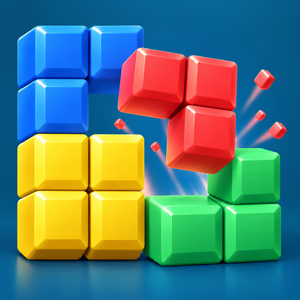
Figure 2. Block Blast is a block puzzle game
Get to Know the Board and Block Shapes
At the start of a round, players receive blocks of different shapes and must find suitable places to put them on the board. Each block consists of small squares arranged horizontally, vertically, or in more complex patterns. Carefully examining each shape is the first step toward identifying available spaces and choosing a suitable placement.
During the early moves, the board usually has plenty of empty spaces, giving players room to try different placements. However, this does not mean blocks should be placed at random. A block that fits conveniently at first may divide the available space and make it harder to place later pieces. Pay attention to open areas with enough room, and consider how they might fit together with other blocks in future moves. Getting into the habit of checking the entire board from the beginning helps players stay in control as the layout becomes more complex.
Place Blocks to Complete Rows
The core mechanic involves arranging blocks to fill complete horizontal rows or vertical columns. Once a row or column is full, all the squares within it are cleared, creating more space for upcoming blocks.
Before placing a block, look for rows or columns that are missing only a few squares. If the current shape can fill those gaps, players can complete a line and free up space in the same move. When no line can be cleared, prioritize placements that preserve large open areas for different block shapes.
Earn Points and Keep the Board Open
In the game, scores are tied to placing blocks and completing rows or columns according to the rules of the version being played. Each clear earns points and frees up occupied squares, giving players more options for their next moves. However, scoring a lot of points in a few moves does not always mean the board is being arranged efficiently.
A board with connected open spaces usually makes it easier to fit different block shapes. By contrast, scattered gaps between placed blocks can create difficulties, even when plenty of squares remain unused. For this reason, pay attention not only to the number of empty squares but also to how they are distributed across the board.
How to Play Block Blast
- On a computer: Use the mouse to select a block, drag it to the desired position, and release it to place the block if the interface supports drag and drop.
- On a phone: Touch a block and drag it to a suitable position, then release your finger to complete the move if the version supports touch controls.
These actions do not require complex key combinations. However, players should still check each placement before releasing a block, especially when much of the board is already filled. Visit YouTube channel for more gameplay tips, useful strategies, and fresh ideas to improve your puzzle skills.
When Does a Block Blast Round End?
Understand When No Moves Are Available
This version uses traditional block placement mechanics. A round usually ends when none of the available blocks can be placed on the board according to the rules. Notably, the board does not need to be completely full for this to happen. Players may still see plenty of empty squares but be unable to use them because their shapes or positions do not fit the available blocks.
Imagine a board with many isolated empty squares scattered between filled areas. These gaps may fit a single square, but they cannot accommodate blocks made of several connected squares. As large open spaces become divided into smaller sections, the number of possible placements can drop significantly.
Recognize and Fix Poor Board Layouts
To reduce the risk of ending a round too early, players need to pay attention to how blocks are distributed across the board. Avoid filling areas in ways that create too many narrow gaps or isolated empty squares. When several blocks are available, consider the hardest shapes to place first, as pieces that occupy many squares or have unusual patterns often need more specific spaces.
Nearly complete rows and columns also deserve regular attention. Completing a line at the right moment can free up space and create new placement options. If several rows or columns can be cleared in one move, players may be able to use the board even more efficiently.
Another useful habit is to consider the consequences of every move before making it. Ask yourself whether the planned placement will preserve the open areas you need, which lines might be completed on the next turn, and which shapes could become difficult to place if the board gets more crowded. These questions help players look beyond a single move and develop a strategy that fits the current board.
From Block Blast to Block Blast 3D: A New Way to Experience Block Puzzles
Block Blast creates challenges through familiar actions: recognizing shapes, finding suitable positions, and arranging blocks to make the best use of the board. Building on this foundation, the 3D version offers a different approach, presenting blocks through a three dimensional perspective.
Shapes and Colors
In the 3D version, blocks are the main elements that define the game's appearance. The pieces come in different colors, with surfaces and edges that make their shapes easier to recognize. This design helps players distinguish individual blocks while giving the board greater depth and a more vivid appearance.
The interface centers on the block placement area, where players spend most of their time observing the board and choosing positions. Information such as the score and the blocks waiting to be placed should remain easy to see without drawing too much attention. With this design approach, colors do more than decorate the game. They also highlight the pieces and support visual recognition.
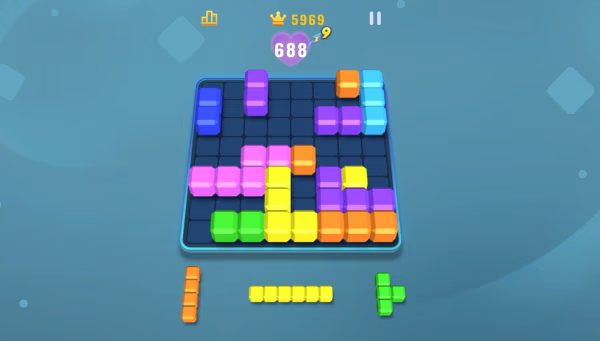
Figure 3. Fresh color perspectives and new angles of view
A Fresh 3D Perspective
One of the most noticeable changes in this version is its perspective, which gives the familiar block puzzle a fresh appearance. While the original version focuses on a flat grid, the 3D version uses a view from above at a slight downward angle, making the height, sides, and depth of each block more visible.
Lighting, shadows, and beveled edges further emphasize the three dimensional effect, making the board look like a space filled with raised blocks rather than a simple flat surface. This change preserves the familiar grid layout and block placement goals while adding a fresh visual style that lets players experience the same concept from a different perspective.
Music and Sound
The music in the game has a gentle, relaxing feel, with smooth melodies and a moderate pace. The background music continues throughout the game, providing a steady soundscape without becoming too intense or overwhelming the quiet atmosphere of each puzzle session. Its restrained style suits the pace of play, as players observe the board, consider block shapes, and look for suitable arrangements.
Alongside the background music, the game features voice lines that play when players clear blocks. These short lines occur at that moment, adding a different sound from the main melody. The voice lines are integrated directly into the gameplay, appearing between successive block placements and giving the sound design a distinctive character.
A Leaderboard with Multiple Time Periods
The Leaderboard features a clear ranking table that lets players track scores and compare their positions with others. One notable feature is the choice of four time periods: Day, Week, Month and All Time. These options cover daily, weekly, monthly, and overall results.
At the top of the board, the three leading positions stand out through separate color panels, medal icons, and block avatars. First place appears in the center with a more prominent design, while second and third place sit on either side. The remaining positions appear in a list below, showing each player's name and score. This layout makes the highest rankings easy to identify without reading the entire list. At the bottom of the interface, a name field, score area, and submit button allow players to enter their details and submit their scores to the leaderboard.
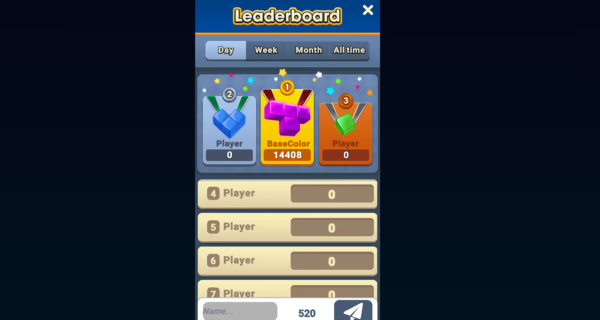
Figure 4. Leaderboard Feature
What Does blockblast3d.com Offer Players?
Play Directly in Your Browser
Block Blast 3D can be played directly on the website without downloading the game to your device. On a computer, the game area takes center stage, while tools such as the navigation menu, search bar, light and dark modes, game categories, embed option, and rating section help players explore other parts of the site. A list of related games also offers more ways to have fun after a block puzzle session.
To focus entirely on the game, players can click the Play button to hide the surrounding content and give the block board more space. When they want to return to the website interface, the Info button allows them to show the hidden content again. On phones and tablets, the layout adjusts to the screen size so that each element fits the device more comfortably. Players can start a round, arrange blocks, and continue exploring the website in the same browser.
The .com Domain and the Credibility of blockblast3d.com
The .com domain has advantages in terms of popularity and brand recognition online. According to research on Domain credibility published by AtomRadar in June 2026, .com continued to rank first for perceived credibility among domain extensions used by brands. In addition, Verisign's Domain Name Industry Brief reported approximately 161 million .com domain registrations worldwide at the end of 2025. These figures reflect the widespread use of .com and its strong position in brand recognition.
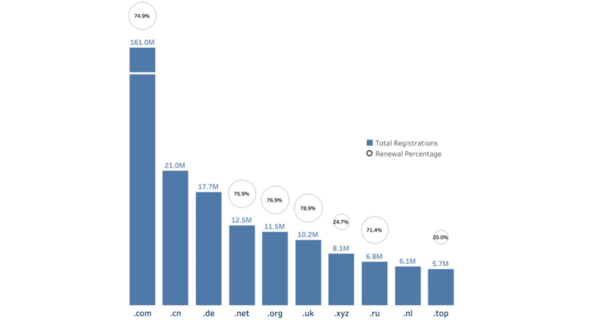
Figure 5. Domain statistics table
The website uses the .com domain as its official address for players to access Block Blast 3D, learn about the game and explore related content. Its short name, which matches the game title, helps improve recognition and makes the website easier to remember and revisit. Maintaining the same address across promotional and communication channels also helps establish a clear brand identity.
Beyond its domain, the website aims to build trust through content quality, transparency, and a stable browsing experience. Game information is organized into specific sections, making it easier for players to learn about the game before starting. The website should also maintain a clear privacy policy, accessible contact information, an HTTPS connection and regular checks of its performance to support a stable experience. Consistent branding and responsible website management are important foundations for building credibility and maintaining long term relationships with players.
What Content Does the Website Update Regularly?
A valuable gaming website should offer more than just access to a game. Regular, useful updates help players find the information they need and give them more reasons to return.
From the inspiration of a world made of blocks to the decisions involved in placing each piece, Block Blast offers a puzzle experience built around observation and spatial arrangement. Block Blast 3D presents this idea in a different way through visuals with greater depth and a more direct presentation, depending on the features available in the game.
Visit the website, click Play, and explore the block puzzle right in your browser. You can also discover related puzzle games and follow new content on the website to find a challenge that fits each break.
Bunny Farm
Bunny Farm makes farming feel like a cheerful adventure! Take care of your crops, discover new ways to use each harvest, and watch your farm flourish.
Longcat
Every move matters in Longcat! Guide your growing cat through winding paths, avoid blocking essential corridors to complete each puzzle without starting over.
Mahjong Connect
Mahjong Connect puts a clever spin on traditional Mahjong with a unique connection rule. Match identical tiles, create open spaces and use smart strategies.
Helix Jump
Helix Jump is a fun arcade game where every turn matters. Rotate the spiral structure, avoid red obstacles and use Fireball power to smash through platforms.
Bad Ice-Cream
Step into the icy world of Bad Ice-Cream and put your strategy to work! Chase tricky fruits, build walls to stop enemies, and explore frozen levels packed.
Stealing the Diamond
Stealing the Diamond puts Henry Stickmin on a daring museum heist worth $112 million. Choose your strategy and discover how each decision changes the outcome.