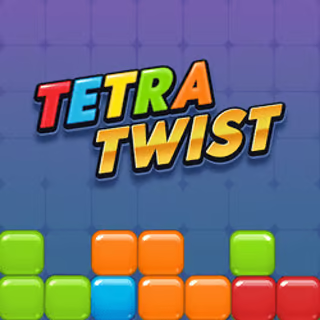
Tetra Twist
 Bunny Farm
 Longcat
 Mahjong Connect
 Helix Jump
 Bad Ice-Cream
 Stealing the Diamond
 Blocky Blast Puzzle
 Block Breaker
 Brick Breaker
 Block Blast Puzzle
 Color Block Jam
 Tetris
 Block Blaster
 Hexa Stack
 Big Block Blast
 Paper Block
 BlockBuster Puzzle
 Blocky Rush
 Xmas Block Blast
 Blox Puzzle
 Blox Slider
 Hexa Puzzle
 Idle Breakout
 Wood Block Journey
 Neon Block Blast
 Sandtris
 2048
 Cubes 2048
 Tomb of the Mask
 Candy Crush
 Bloxorz
 block Jam
 Bubble Shooter
 Tic Tac Toe
 Water Sort Puzzle
 Bricky Blast
 Solitaire
 Suika Game
 Parking Rush
 Free The Key
 Level Devil
 Apple Worm
 Her Trees
 Uno Online
 Happy Glass
 Block Quest
 Bus Stop Jam
 Block Blast Jewel Puzzle
 Spider Solitaire
Understanding the Tetra Twist Game Board
The game board is the main playing area in Tetra Twist, where blocks continuously appear and fall from the top. The goal is to arrange them in the right positions to complete horizontal rows, clear them, and keep the board from filling up.
How Falling Blocks Fit Together
Blocks in Tetra Twist are made up of smaller squares connected to form different shapes. As a block falls, players need to move it left or right to find a suitable position among the blocks already on the board. The squares must fit together in a well planned layout, minimizing unnecessary gaps and making it easier to complete horizontal rows.
Placing a block is about more than finding an empty spot. A good move takes into account both the shape of the current block and the spaces that may be needed for upcoming blocks. Making good use of available space helps keep the board organized and easier to manage.
Recognizing Different Block Shapes
Each block has its own shape and requires a different placement strategy. Some blocks fit into long spaces, while others need a wider area or a specific arrangement to fit properly. Recognizing a block's shape as soon as it appears helps players quickly identify where it should go.
Instead of focusing only on the empty spaces right in front of you, pay attention to the block's width, height, and orientation. Recognizing its shape early also helps you decide when to change its shape and when to move it to another position.
Figure 1. Tetra Twist challenges you to think ahead
How Row Clearing Works in Tetra Twist
Clearing rows is a core mechanic in Tetra Twist. When every space in a horizontal row is filled, the row disappears, freeing up room for more blocks. Players need to balance placing the current block with building a layout that makes it possible to complete rows in upcoming turns.
Completing a Full Horizontal Row
A horizontal row is cleared only when every space in it is filled. If even one space remains empty, the row cannot be completed, and subsequent blocks must be arranged to fill the gap. Before placing a block, check whether it can help complete a nearly full row.
Prioritizing rows that are missing only a few squares is a practical way to create more space. However, avoid completing a row at all costs if doing so makes other areas of the board too tall or creates more difficult gaps.
Creating Space for Incoming Blocks
Every cleared row opens up more space for incoming blocks. This reduces the height of the stack and gives players more placement options. If too many rows remain incomplete, blocks gradually take up most of the board, making it harder to find suitable positions.
Tetra Twist uses simple controls: the mouse changes the shape of a block, while the arrow keys move it. Combine these controls to adjust each block before placing it, especially when filling small gaps or completing a nearly full row.
Smart Placement Strategies for Tetra Twist
Effective block placement requires players to consider both the current position and how the board will look after a block lands. A few smart decisions can keep the board manageable for longer.
Rotate Before You Place
Before placing a block, check whether its current shape fits the target space. Changing its shape can help it fit into an area that its original form cannot fill. This is especially useful when completing a horizontal row or avoiding gaps buried between other blocks.
Decide where you want to place the block first, then adjust its shape to find the best fit. Taking a moment to prepare can reduce the need to fix the layout in later turns.
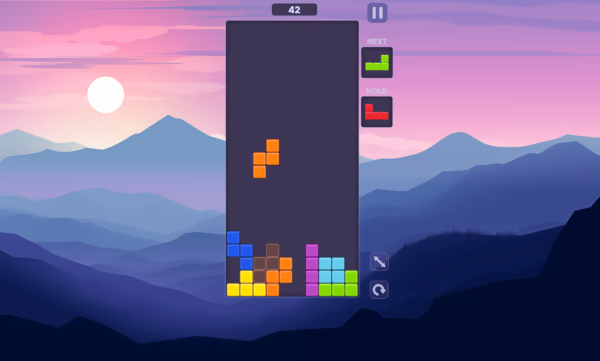
Figure 2. Stack falling blocks, spot opportunities
Avoid Hard-to-Fill Gaps in Tetra Twist
Gaps between blocks or spaces with awkward shapes can make completing rows more complicated. When an area is surrounded by taller blocks, players may have to wait for a specific shape to fill the remaining space.
To avoid this situation, aim to maintain a relatively even layout. When several positions are available, choose one that makes good use of the existing space without creating narrow gaps that are difficult to fill. Not every empty space is a problem, but gaps that are hard to reach can significantly reduce your options in later turns.
Manage Stack Height
The height of the block stack directly affects how much room remains for new pieces. If you focus on filling just one area, other sections may continue to grow without being cleared. This can throw off the board's balance and make it harder to find suitable positions for incoming blocks.
If one area is taller than the rest, look for opportunities to complete rows there and free up space. Keeping the board relatively even gives you more options instead of forcing you to deal with cramped areas over and over.
Common Mistakes to Avoid in Tetra Twist
One common mistake in Tetra Twist is placing blocks too quickly without considering how they will affect the entire board. A position that seems suitable at first may create a difficult gap or interfere with rows that are nearly complete. Taking a moment to assess the layout before moving a block helps prevent inefficient decisions.
Another mistake is leaving gaps with awkward shapes. When players focus only on fitting the current block into place, small empty spaces can appear in inconvenient positions. If no suitable block comes along to fill them, these gaps may remain for several turns and make completing rows more difficult.
Ignoring the overall layout can also make the board harder to control. Continually stacking blocks on one side without paying attention to the height of other areas can limit the space available for new pieces. Look at the entire board, identify rows that are close to being completed, and choose placements based on your longer term plan instead of focusing only on the immediate situation.
How to Keep Your Tetra Twist Game Going Longer?
To keep playing for longer, maintain a manageable layout and look for opportunities to clear rows regularly. Instead of letting blocks pile up into tall sections, use positions that allow you to complete horizontal rows and free up space. The more organized the board is, the more options you will have when new blocks appear.
Prioritizing rows that are close to completion is a useful strategy. If a row is missing only a few squares and the current block can fill the right spots, consider clearing it before creating more unfinished areas. At the same time, check the block's shape and the surrounding gaps to avoid clearing one row while making the rest of the board harder to manage.
Most importantly, make it a habit to assess the board before every placement. Identifying a suitable position, checking whether a row can be completed, and monitoring stack height will help you make more purposeful decisions. As space becomes limited, planning ahead becomes essential to keeping your game going.
Conclusion
Tetra Twist combines shape recognition, spatial awareness, and step by step planning in a continuous block stacking challenge. Understanding how blocks fit together, actively completing horizontal rows, and avoiding difficult gaps will help you manage the board more effectively. Jump into Tetra Twist, put these strategies to the test, and see how long you can keep playing. When you're ready for a different kind of spatial puzzle, check out Block Blast, a 3D version that offers a fresh perspective on block placement.