Solitaire
 Blocky Blast Puzzle
 Block Breaker
 Brick Breaker
 Block Blast Puzzle
 Color Block Jam
 Block Blaster
 Tetris
 Hexa Stack
 Big Block Blast
 Paper Block
 BlockBuster Puzzle
 Blocky Rush
 Xmas Block Blast
 Blox Puzzle
 Blox Slider
 Idle Breakout
 Hexa Puzzle
 Wood Block Journey
 Neon Block Blast
 2048
 Sandtris
 Cubes 2048
 Tomb of the Mask
 Candy Crush
 Bloxorz
 block Jam
 Bubble Shooter
 Tetra Twist
 Tic Tac Toe
 Water Sort Puzzle
 Bricky Blast
 Suika Game
 Parking Rush
 Free The Key
 Level Devil
 Apple Worm
 Her Trees
 Uno Online
 Happy Glass
 Block Quest
 Bus Stop Jam
 Block Blast Jewel Puzzle
 Spider Solitaire
 Stealing the Diamond
 Bad Ice-Cream
 Mahjong Connect
 Helix Jump
 Longcat
 Bunny Farm
About Solitaire
Solitaire is a single-player card game with easy-to-learn rules that still require observation, careful planning, and smart card placement. Using a familiar 52-card deck, the game creates a rewarding puzzle challenge where every decision can affect the moves that follow.
Solitaire was developed around the idea of turning everyday playing cards into an engaging form of entertainment. A standard deck, often used at social gatherings or during moments of relaxation, becomes a standalone game where one player takes on the challenge of organizing the cards and solving each situation.
What makes the game interesting is how the cards are divided into several areas, each with its own rules. Players must do more than match card values. They also need to consider card positions, colors, and the order of each move. A smart move can open up new possibilities, while a poorly planned decision may leave important cards stuck.
With this concept, Solitaire offers a relaxing yet engaging puzzle experience. It's a great choice for short breaks and gives players a chance to practice logical thinking and patience with every round.
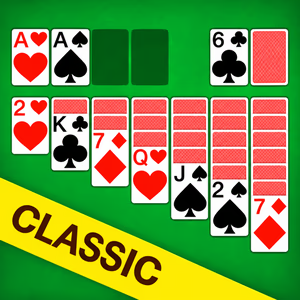
Figure 1. Enjoy a fresh card challenge with Solitaire
Solitaire Board Layout
The Solitaire board has four main areas: Tableau, Foundation, Stockpile, and Waste. Each area serves a different purpose, creating an interconnected card arrangement system.
Tableau - The Main Card Layout
The Tableau is the central area, consisting of seven columns with an increasing number of cards, from one to seven. At the start of the game, only the top card in each column is face up, while all the cards underneath remain face down.
Most card-sorting actions take place here. Players move cards between columns to build valid sequences while trying to reveal hidden cards. Once a column is completely cleared, the empty space can be used to place a King.
Foundation - The Four Completed Piles
The Foundation has four spaces, each representing one suit: Hearts, Diamonds, Clubs, and Spades. Every pile starts with an Ace and builds upward in order through 2, 3, 4, and all the way to King.
The ultimate goal is to move all 52 cards into the four Foundation piles. Each suit must be arranged separately, with no values skipped.
Stockpile - The Draw Pile
The Stockpile contains the remaining cards after the Tableau has been dealt. When no suitable moves are available on the board, players can draw cards from this area to gain more options.
Depending on the game version, each draw may reveal one or three cards from the Stockpile. The draw method directly affects how easily players can access the cards they need throughout the game.
Waste - The Drawn Card Pile
The Waste holds cards drawn from the Stockpile that haven't been used yet. Players can only take the top card from the Waste and move it to the Tableau or Foundation when it meets the required rules.
Keeping track of the cards in this area helps players choose the right time to draw and plan their next moves more effectively.
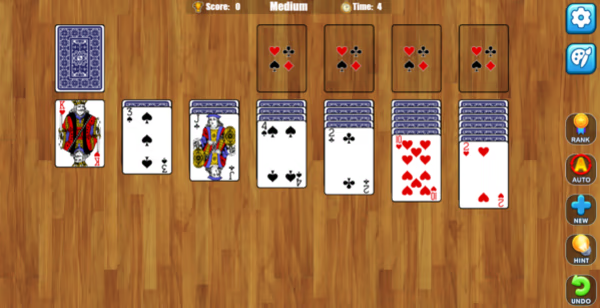
Figure 2. One deck, four Foundation piles, and countless decisions
How to Play Solitaire
Card Arrangement Rules
In the Tableau, cards must be arranged in descending order while alternating between red and black suits. For example, a red 8 can be placed on a black 9, followed by a black 7 on the red 8.
Players can move a single card or an entire sequence as long as it follows the rules. When the top face-up card is moved, the face-down card directly beneath it is revealed. Empty columns can only be filled with a King or a sequence that starts with a King.
Foundation Arrangement Rules
Unlike the Tableau, the Foundation requires cards to belong to the same suit and follow ascending order. Each pile starts with an Ace, followed by 2, 3, and the remaining cards up to King.
Completing all four Foundation piles means winning the game. That's why players should consider the current Tableau layout before moving cards to the Foundation, as some cards may still be needed to build other sequences.
Controls
On a computer, use the left mouse button to select, hold, and drag a card to the desired position. Release the mouse button to complete the move if the new position follows the rules. Some versions also support clicking a card to automatically move it to a valid position.
Helpful Features in Solitaire
Along with its basic rules, some Solitaire versions include helpful tools that make solving card puzzles easier:
- Hint: Shows a possible legal move when players can't find the next step. This feature helps reveal options that might otherwise go unnoticed.
- Undo: Reverses the previous move, allowing players to try a different card arrangement. It's useful when a decision makes it difficult to continue.
- Autoplay: Automatically moves eligible cards to the Foundation, reducing manual actions when the correct sequence is clear.
These features may vary depending on the Solitaire version. Check the game interface to see which tools are available.
Tips for Playing Solitaire More Effectively
- Prioritize Revealing Face-Down Cards: Turning over hidden cards in the Tableau gives you more options and creates opportunities to build new sequences. When several moves are available, consider the one that reveals the most hidden cards.
- Make Smart Use of Empty Columns: An empty Tableau column provides extra space for arranging cards, but only a King can be placed there. Think carefully before clearing a column and make use of the space when you have a suitable King.
- Don't Rush to Move Every Card to the Foundation: Some cards may still be useful for building sequences in the Tableau, especially when they help move other cards. Keep the board flexible instead of focusing only on completing the Foundation as quickly as possible.
- Keep Track of the Stockpile and Waste: Remembering which cards have appeared helps you choose the right time to draw. In three-card draw mode, pay attention to the order of cards in the Waste because not every card is immediately available to play.
Play Solitaire and Explore More Puzzle Games
Solitaire combines simple rules with situations that require careful thought, making it a great experience for both beginners and experienced card players. Its four board areas, color and suit arrangement rules, and helpful tools give every round several possible approaches.
Start a game of Solitaire, study how the cards are arranged, and find the right strategy to complete all four Foundation piles. Afterward, explore other puzzle games to take on new mechanics and challenges.