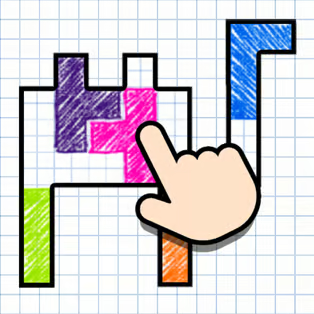
Paper Block
 Bunny Farm
 Longcat
 Mahjong Connect
 Helix Jump
 Bad Ice-Cream
 Stealing the Diamond
 Blocky Blast Puzzle
 Block Breaker
 Brick Breaker
 Block Blast Puzzle
 Color Block Jam
 Block Blaster
 Tetris
 Big Block Blast
 Hexa Stack
 BlockBuster Puzzle
 Blocky Rush
 Xmas Block Blast
 Blox Puzzle
 Blox Slider
 Idle Breakout
 Hexa Puzzle
 Wood Block Journey
 Neon Block Blast
 2048
 Sandtris
 Cubes 2048
 Tomb of the Mask
 Candy Crush
 Bloxorz
 block Jam
 Bubble Shooter
 Tic Tac Toe
 Tetra Twist
 Water Sort Puzzle
 Bricky Blast
 Solitaire
 Suika Game
 Parking Rush
 Free The Key
 Level Devil
 Apple Worm
 Her Trees
 Uno Online
 Happy Glass
 Block Quest
 Bus Stop Jam
 Block Blast Jewel Puzzle
 Spider Solitaire
Paper Block and the Idea of Making Use of Every Empty Space
When packing a suitcase, filling a box, or organizing a drawer, the challenge is not simply finding a place for every item. Placing one object can change how everything else fits. Paper Block takes inspiration from this familiar challenge, turning the task of arranging different shapes into a puzzle games with a clear goal.
The interesting part of this idea lies in the limited space. The play area has fixed boundaries, and the pieces do not always fit together easily. Players must figure out how to use the available pieces to complete each level. Placing a piece anywhere without considering how it affects the rest of the puzzle is not a reliable strategy.
In Paper Block, every puzzle becomes a small exercise in organizing space. One decision can bring the layout closer to completion, but it can also create a tricky situation for the next move. The connection between these choices makes solving puzzles engaging, even when the shapes themselves look familiar.
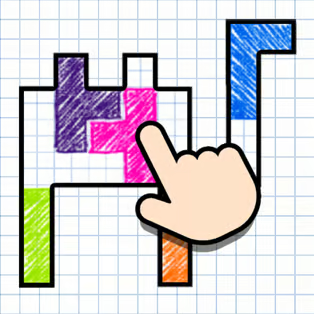
Figure 1. Paper Block brings a familiar everyday challenge
Paper Block: How Every Move Can Change the Puzzle
Paper Block challenges players to arrange pieces into the required layout in each level. The drag and drop controls make interaction straightforward: select a piece, move it to a possible position, and check the result.
The challenge does not come from the number of actions but from the consequences of each choice. Once a piece is placed, the remaining space changes. Players must keep reassessing the new layout and decide whether to continue with their current plan or try a different arrangement.
This design means Paper Block does not rely on quick reflexes. Success comes from recognizing how different parts of the puzzle connect and choosing an arrangement that can lead to a complete solution. Early levels help players get familiar with the rules, while more complex layouts call for flexible thinking.
How to Approach Paper Block Puzzles
Read the Layout Before Making a Move
Each level should be viewed as a complete layout rather than a collection of separate empty spaces. The outline of the target area, its corners, and the proportions of wider and narrower sections can all provide clues about how the pieces might fit.
A useful approach is to identify the most noticeable features first. If an area has an unusual shape, look for pieces that might match it. The remaining spaces can then help determine whether the initial guess makes sense.
Next, try an arrangement and evaluate the result based on the entire layout. A position may seem suitable at first, but it is not a good choice if it leaves no room for the other pieces. Checking how different parts fit together is more important than trying to complete each section independently.
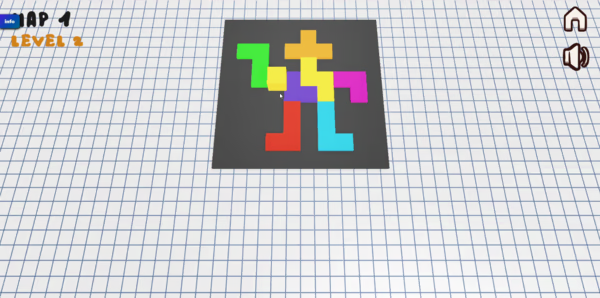
Figure 2. Paper inspired visuals, angled 3D shapes
Tips for Beating Difficult Levels
Complex levels can leave players feeling stuck when several initial arrangements seem equally reasonable. To avoid trying random placements without a clear plan, follow these principles:
- Look for clear clues first: Pay attention to distinctive edges, corners, and areas to identify promising arrangements.
- Evaluate each move: Do not just check whether a piece fits. Consider whether its placement leaves enough room for the remaining pieces.
- Change one thing at a time: When a strategy fails, try moving a different piece instead of rearranging everything. This makes it easier to identify which choice is causing trouble.
- Backtrack when necessary: If the next steps become difficult, reconsider the positions of pieces you have already placed. A small change earlier in the process may open up a new solution.
- Use hints strategically: If the version you are playing includes a hint feature, use it after exploring the main options without finding a workable solution.
Should You Start With the Largest Piece in Paper Block?
Size is an obvious factor when choosing which piece to place first, but the largest piece is not always the best option. What matters more is how well its shape matches the structure of the area you need to complete.
A large piece can occupy plenty of space and define a significant part of the layout. However, placing it in the wrong position may eliminate useful options for the other pieces. On the other hand, a smaller piece with an unusual shape may help solve a difficult section.
Choose pieces based on their role in the entire puzzle. Pieces with fewer possible placements are worth considering early. More flexible pieces can be saved for the remaining areas once the main layout becomes clearer.
How the Paper Theme Gives Paper Block Its Own Look
Visual Design Inspired by Paper Puzzles
The paper theme gives Paper Block a look inspired by familiar craft activities. Its geometric pieces resemble cutout shapes that can be fitted together, while their outlines help players recognize each shape as they work through a puzzle.
This visual approach supports the main focus of the game. Instead of letting decorative details take center stage, the design keeps the pieces and play area front and center. Players can quickly identify what they need to move and which features matter when deciding where each piece belongs.
How the 3D Perspective Adds Depth to the Pieces
The 3D perspective creates a different look from puzzles that use only flat images. Surfaces and side edges appear at an angle, giving the pieces a sense of thickness and depth.
This presentation makes the paper pieces more visually engaging. The contrast between their surfaces and side edges helps distinguish their shapes, while the elevated viewing angle keeps the puzzle area easy to see. The layout gains depth without taking attention away from the pieces that need to be arranged.
Keep Challenging Your Puzzle Skills With Block Blast
While Paper Block focuses on completing a layout by arranging pieces, Block Blast introduces a different kind of challenge: managing space on a game board over multiple turns.
In Block Blast, players place blocks on the board and complete horizontal rows or vertical columns to clear them, making room for future moves. Every placement affects the available space, so focusing only on the immediate move can quickly leave the board difficult to manage.
Both games explore spatial reasoning through block placement, but they offer different puzzle experiences. Paper Block challenges players to find a solution for each level's layout, while Block Blast requires them to preserve usable space and plan around the blocks available during play.
For anyone who enjoys geometric puzzles and wants to try a different approach, Block Blast is a great option to explore next. From completing a layout in Paper Block to managing the board in Block Blast, each game offers its own way to turn familiar shapes into a brain teasing challenge.