Happy Glass
 Bunny Farm
 Longcat
 Mahjong Connect
 Helix Jump
 Bad Ice-Cream
 Stealing the Diamond
 Blocky Blast Puzzle
 Block Breaker
 Brick Breaker
 Block Blast Puzzle
 Color Block Jam
 Block Blaster
 Tetris
 Hexa Stack
 Big Block Blast
 Paper Block
 BlockBuster Puzzle
 Blocky Rush
 Xmas Block Blast
 Blox Puzzle
 Blox Slider
 Idle Breakout
 Hexa Puzzle
 Wood Block Journey
 Neon Block Blast
 2048
 Sandtris
 Cubes 2048
 Tomb of the Mask
 Candy Crush
 Bloxorz
 block Jam
 Bubble Shooter
 Tic Tac Toe
 Tetra Twist
 Water Sort Puzzle
 Bricky Blast
 Solitaire
 Suika Game
 Parking Rush
 Free The Key
 Level Devil
 Apple Worm
 Her Trees
 Uno Online
 Block Quest
 Bus Stop Jam
 Block Blast Jewel Puzzle
 Spider Solitaire
Happy Glass - A Little Glass with a Big Problem
Happy Glass starts each challenge with an empty glass wearing a sad expression. Your mission is to figure out how to guide water from the faucet into the glass and bring back its smile. The objective sounds simple, but completing it takes careful observation and a bit of planning.
The real challenge isn't finding the water source. It's figuring out how to get the water across different distances, surfaces, and obstacles. You can't simply wait for the water to flow into the glass. Instead, you must create a suitable path to guide it toward the target. Each level becomes a small puzzle where the placement of a single line can make the difference between success and failure.
By combining logical thinking, freehand drawing, and physics-based mechanics, Happy Glass offers an interesting take on the puzzle genre. Rather than choosing from a set of predefined answers, players can create their own solutions using lines of their choice.
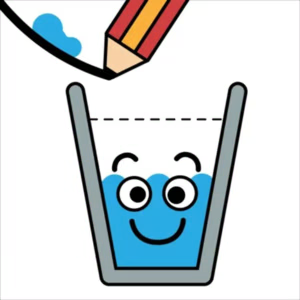
Figure 1. Every level in Happy Glass brings a new drawing challenge
Happy Glass Turns Your Drawings into Part of the Puzzle
One of Happy Glass's defining features is how it turns your drawings into part of the puzzle environment. Lines aren't just visual markers showing where the water should go. They can interact with the water, create support points, and change its direction.
Build a Path Instead of Following One
Each level gives players room to decide how their water path should look. A curved line can become a water channel, a horizontal stroke can act as a bridge, while a short drawing can hold water in place when needed. This flexibility means you're never locked into one fixed design.
Depending on the level layout, you can draw a direct path or combine several curves to guide water around obstacles. A simple solution may be enough to complete some challenges, while more complicated layouts require greater precision and careful planning.
Let Gravity Do the Work
Gravity determines the natural direction of the water. Once released from the faucet, water tends to flow downward and interacts with the surfaces it touches. A properly angled path can keep it moving toward the glass without requiring too many support points.
If the path is too steep, water may move too quickly and overshoot the intended position. On the other hand, a well-shaped curve can redirect the flow or keep water within a safer area. You should also pay attention to existing surfaces in each level, as they can help guide the water without requiring additional drawings.
Make Every Drop Count
Getting some water into the glass doesn't necessarily mean you've completed the objective. You must make sure the collected amount reaches the required level. This makes controlling the flow especially important when water needs to pass through several different areas before reaching its destination.
Water spilling off the path or spreading into unnecessary areas can affect your results. An effective design should maintain a steady flow while minimizing water loss. Instead of creating an overly complicated system, focus on drawing only the sections needed to get enough water into the glass.
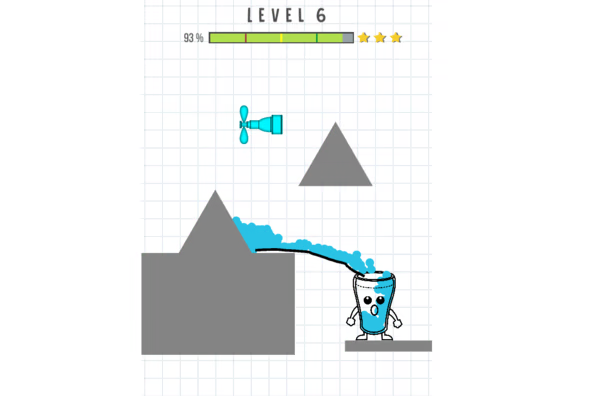
Figure 2. A simple line can make all the difference in Happy Glass
Happy Glass Changes the Rules with Every Environment
Not every level can be solved with a simple water path. Different layouts create new situations, forcing players to adjust their approach when they encounter obstacles or gaps. The environment in Happy Glass plays an important role in shaping the solution to each puzzle.
Walls That Block Your First Idea
Walls can prevent water from following a direct route from the faucet to the glass. When this happens, simply extending your original line may not work as expected. You need to examine the obstacle's position and find another angle of approach.
A curved path that guides water around a wall or creates support at the right spot can open up a new solution. The challenge is finding the right height and drawing direction so the water continues toward its target after passing the obstacle.
Platforms That Can Help or Hinder
Platforms and fixed surfaces can support the water or change its direction. When used correctly, they provide useful contact points, prevent water from falling out of the play area, and reduce the number of lines you need to draw.
However, these surfaces can sometimes redirect the flow in unexpected ways. A platform positioned poorly along the route may cause water to move away from the glass. That's why you should consider both the benefits and potential effects of the surrounding terrain before drawing your path.
Tricky Spaces and Unexpected Angles
Gaps between surfaces are common places where water can spill out. If your path isn't long enough or lacks proper support, the water may fall before reaching the intended position. Narrow spaces also require greater control over the shape and placement of your drawings.
When a level has a more complicated layout, your first idea may no longer be effective. Instead of adding more lines to a poorly designed path, try approaching the puzzle from a different direction. Sometimes, simply adjusting the starting point or curve of your drawing is enough to create a better route.
Figure 3. Solve puzzles with smart moves and creative thinking
How to Play Happy Glass
Happy Glass uses simple controls, making it easy to get familiar with its main objective. On a computer, the mouse is your primary tool for drawing paths and interacting with the play area.
- Draw: Hold the left mouse button and drag to create a line in your desired shape.
- Release: Let go of the mouse button to finish your drawing and watch the water flow.
- Retry: If there's not enough water in the glass or your path doesn't work, restart the level and try a different approach.
Complete the Level and Earn Three Stars
Getting enough water into the glass is the main requirement for completing each Happy Glass level. Once the water reaches the required mark, the glass changes to a happy expression, and you can move on to the next challenge. This also shows that your drawing has successfully fulfilled the puzzle's objective.
However, completing a level isn't the final challenge. Happy Glass encourages players to improve their solutions through a three-star rating system. The number of stars depends on how efficiently you use your drawings, so a shorter, well-planned path often has an advantage over a complicated design. You can replay completed levels, adjust the shape of your lines, and look for better results.
The three-star system adds another goal to every puzzle, turning the simple task of filling a glass into a search for the most effective solution. Rather than stopping as soon as you win, you'll have another reason to experiment with creative and more efficient approaches.
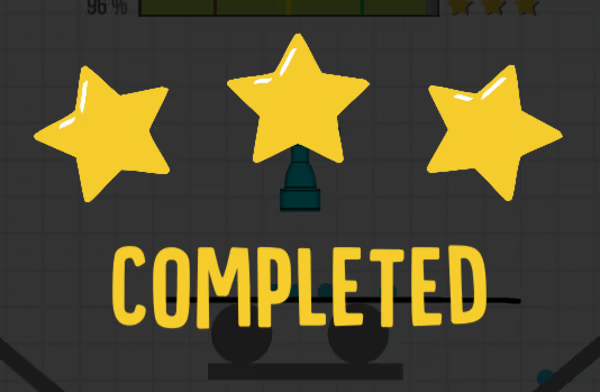
Figure 4. Discover the best way to fill the glass
Why Happy Glass Makes Simple Puzzles Interesting?
Although Happy Glass revolves around one main objective, filling a glass with water, it remains engaging by combining several elements within a single puzzle mechanic.
- Creative Freedom: Players can design their own water paths instead of following a predefined solution. Experimenting with different approaches gives every level more room for creativity.
- Physics-Based Gameplay: Gravity and the interaction between water and surfaces give every drawing a specific purpose. Players need to predict the outcome before deciding how to shape their paths.
- Instant Visual Feedback: The glass changes its expression based on the result of each challenge. This visual response makes it easy to recognize when you've achieved your goal.
- Short but Engaging Challenges: Each level presents a separate puzzle with a different layout. The accessible controls make it easy for newcomers to jump in, while more complicated situations still provide plenty of room for problem-solving.
Conclusion
Happy Glass offers a relaxing puzzle experience through its combination of freehand drawing and physics-based mechanics. From building water paths and using gravity to handling unexpected obstacles, every level encourages players to observe, experiment, and find suitable solutions. If you enjoy this genre, explore more puzzle games on the website to discover new mechanics and challenges.