Blocky Rush
 Bunny Farm
 Longcat
 Mahjong Connect
 Helix Jump
 Bad Ice-Cream
 Stealing the Diamond
 Blocky Blast Puzzle
 Block Breaker
 Brick Breaker
 Block Blast Puzzle
 Color Block Jam
 Tetris
 Block Blaster
 Big Block Blast
 Paper Block
 Hexa Stack
 BlockBuster Puzzle
 Xmas Block Blast
 Blox Puzzle
 Blox Slider
 Idle Breakout
 Hexa Puzzle
 Wood Block Journey
 Neon Block Blast
 2048
 Sandtris
 Cubes 2048
 Tomb of the Mask
 Candy Crush
 Bloxorz
 block Jam
 Bubble Shooter
 Tic Tac Toe
 Tetra Twist
 Water Sort Puzzle
 Bricky Blast
 Solitaire
 Suika Game
 Parking Rush
 Free The Key
 Level Devil
 Apple Worm
 Her Trees
 Uno Online
 Happy Glass
 Block Quest
 Bus Stop Jam
 Block Blast Jewel Puzzle
 Spider Solitaire
What Is Blocky Rush?
Blocky Rush is a puzzle game built around sliding blocks, clearing rows and making smart decisions as the board continues to rise. Each move changes the available space, so players need to think ahead instead of focusing on a single row. The goal is to clear as many rows as possible, earn a high score, and keep the growing stack of blocks from reaching the top of the board.
The game combines simple controls with decisions that become more challenging as the board fills up. New players can quickly understand the basic mechanics, while longer runs demand better planning and a sharper eye for useful spaces. Every move presents a small puzzle: where should a block go, which row can be completed, and how can the next move leave enough room to continue?
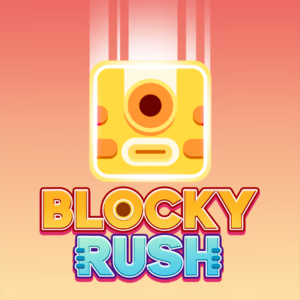
Figure 1. Blocky Rush is the perfect puzzle challenge
How Does Blocky Rush Gameplay Work?
Blocky Rush uses a grid filled with colorful blocks of different shapes and sizes. Players move these blocks horizontally to complete rows and clear space. Meanwhile, new rows rise from the bottom, adding pressure and limiting the room available for future moves. Balancing these two mechanics is the key to lasting longer and achieving a better score.
Slide Blocks to Complete Rows
The main objective is to move blocks left or right until a horizontal row becomes completely filled. Once every space in a row is occupied, the row clears and creates more room on the board. This gives players a direct way to control the layout instead of simply accepting the positions of the blocks.
Choosing the right position matters. A block may fit neatly into one gap but leave an awkward space elsewhere. Looking across the entire board before moving helps reveal which placements can complete a row and which ones might make the next few moves harder.
Manage the Rising Board
The rising board adds the main source of pressure in Blocky Rush. New rows push upward from the bottom as the game progresses, gradually reducing the available space. If players spend too many moves without clearing enough rows, the blocks can approach the top and bring the run to an end.
This mechanic changes how players should approach each decision. A move that seems convenient at first may leave too many gaps or make the next row difficult to complete. When the board becomes crowded, clearing rows and opening space should take priority over risky placements.
Keeping the stack under control requires constant attention. Players need to identify the most urgent gaps, consider how the blocks will shift, and avoid letting one difficult section affect the entire board.
Create Chain Reactions
Clearing a row can cause blocks above it to fall into the newly opened spaces. These movements may complete additional rows, creating chain reactions that clear more blocks in succession.
Chain reactions are valuable because they can free up a larger area without requiring a separate move for every row. They also reward players who look beyond the immediate result of a placement. Instead of clearing the first available row automatically, consider whether removing a different row could create a more useful arrangement.
Learning to recognize these opportunities makes each run more efficient. A well planned move can improve the board, increase the score, and give players more room to handle the rows that follow.
Visual Design and Game Features
Blocky Rush uses colorful blocks and a clear grid layout to keep the puzzle easy to read. The distinct colors help players recognize individual pieces and follow changes across the board. This straightforward presentation keeps attention on block positions, open spaces, and rows that are close to being completed.
The interface places the main puzzle at the center of the experience, allowing players to focus on their next move. Visual changes when rows clear provide feedback as the board updates, making it easier to follow the results of a successful placement.
The rising rows give the game a steady sense of urgency, while the scoring system encourages players to improve their performance with each attempt. Rather than relying on complicated controls, Blocky Rush builds its challenge around spatial awareness, planning, and the ability to adapt when the board changes.
These features make the game suitable for both quick sessions and longer attempts to achieve a higher score. The rules remain straightforward, but the number of possible block arrangements creates plenty of room to refine different strategies.
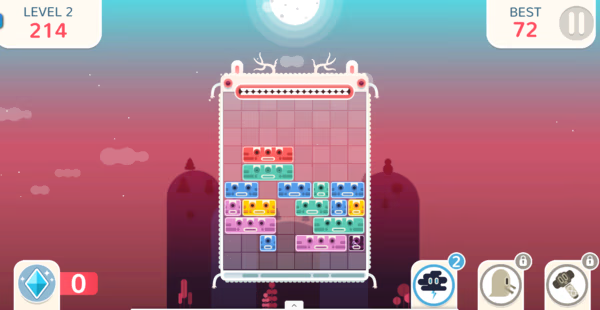
Figure 2. Colorful blocks, changing layouts, and a board
Controls and Tips for Better Runs
Blocky Rush keeps its controls simple so players can focus on solving the puzzle.
- PC: Click and hold a block, then drag it left or right.
- Mobile and tablet: Touch a block and swipe horizontally to move it.
A few practical habits can help improve each run:
- Scan the entire board before moving. Check which rows are closest to completion and identify gaps that may become difficult to fill. A short pause before each move can prevent unnecessary problems later.
- Prioritize useful row clears. When the board starts getting crowded, focus on placements that complete rows and create more open space. Keeping the stack low gives you more options for future moves.
- Look for chain reactions. Before clearing a row, consider how the blocks above it will fall. A placement that triggers multiple clears can be more valuable than one that removes only a single row.
- Avoid creating awkward gaps. Do not focus only on filling the nearest empty space. Consider how each block affects the surrounding layout and whether the resulting gaps will remain manageable.
The most effective strategy is to balance immediate progress with future flexibility. Clearing rows keeps the board under control, while careful placement prevents the remaining spaces from becoming too difficult to use.
Play Blocky Rush Online on blockblast3d.com
Blockblast3d.com offers a convenient way to discover browser based block puzzle games, including Blocky Rush. Playing through a browser lets players get started without treating the game as a separate desktop or mobile application, provided the selected game page has the playable version available.
To get started, visit blockblast3d.com, find the Blocky Rush game page, and open the game. Once the playable screen loads, use a mouse on a computer or touch controls on a compatible mobile device to begin moving blocks. The same basic objective applies across supported devices: complete rows, manage the rising board, and aim for a higher score.
Whether there is time for a quick puzzle session or a longer attempt to beat a previous result, Blocky Rush offers a clear goal and plenty of decisions to make along the way. Plan each move, take advantage of chain reactions, and keep the board open for as long as possible.