Bus Stop Jam
 Bunny Farm
 Longcat
 Mahjong Connect
 Helix Jump
 Bad Ice-Cream
 Stealing the Diamond
 Blocky Blast Puzzle
 Block Breaker
 Brick Breaker
 Block Blast Puzzle
 Color Block Jam
 Block Blaster
 Tetris
 Hexa Stack
 Big Block Blast
 Paper Block
 BlockBuster Puzzle
 Blocky Rush
 Xmas Block Blast
 Blox Puzzle
 Blox Slider
 Idle Breakout
 Hexa Puzzle
 Wood Block Journey
 Neon Block Blast
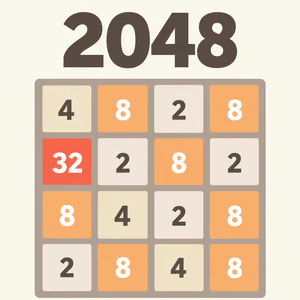 2048
 Sandtris
 Cubes 2048
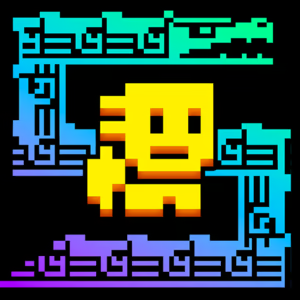 Tomb of the Mask
 Candy Crush
 Bloxorz
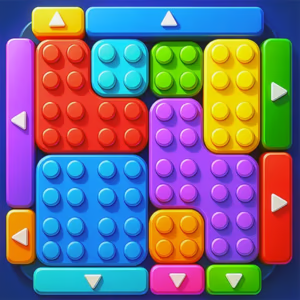 block Jam
 Bubble Shooter
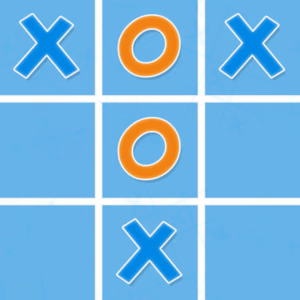 Tic Tac Toe
 Tetra Twist
 Water Sort Puzzle
 Bricky Blast
 Solitaire
 Suika Game
 Parking Rush
 Free The Key
 Level Devil
 Apple Worm
 Her Trees
 Uno Online
 Happy Glass
 Block Quest
 Block Blast Jewel Puzzle
 Spider Solitaire
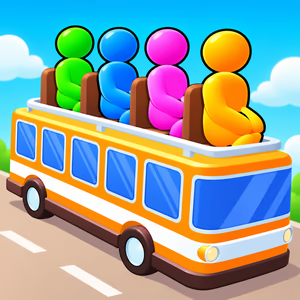
Bus Stop Jam - A Crowded Bus Station Waiting for a New Order
In the heart of a bustling city, a bus station is facing an unusually crowded situation. Passengers from different areas keep arriving and gathering in groups around the waiting area. Colorful buses also pull into the station one after another, forming a long line as they prepare to pick up passengers and continue their journeys. Everyone wants to find the right bus quickly, but the sheer number of people makes it difficult to move around.
Each group of passengers has its own color, matching one of the buses waiting at the station. Some passengers are ready to board, while others remain stuck behind the crowd. Buses cannot pick up just anyone; each one must receive passengers of the corresponding color. Restoring order to the crowd is therefore essential to getting the station running smoothly again.
In this situation, the station coordinator plays a key role in bringing everything back under control. Each group of passengers must be observed and selected in the right order. People traveling on the same bus need to be gathered correctly so that the vehicle can finish boarding and leave the station. Every departing bus frees up part of the space, creating room for the groups still waiting behind.
However, clearing the congestion is not easy when the waiting area has limited space. Moving a group of passengers at the wrong time can take up spots needed by another group. When too many people are waiting at once, organizing the crowd becomes more complicated, and the available choices become increasingly limited. The station can only return to normal when every passenger is placed correctly, each bus completes its task, and the entire process follows a well-planned order.
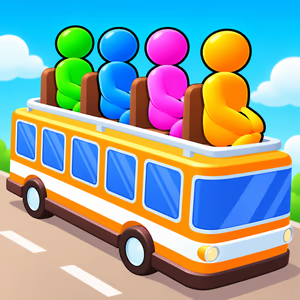
Figure 1. Put your sorting skills to the test in Bus Stop Jam
How to Play Bus Stop Jam
Bus Stop Jam builds its gameplay around three closely connected tasks: matching passengers with buses of the same color, managing the waiting area, and clearing buses once they finish picking up their passengers.
Match Passengers with Their Buses
Each bus in Bus Stop Jam is identified by a distinct color. Passengers are also divided into matching groups, making color matching the foundation of the entire challenge. The first task is to identify which group can board a waiting bus and select the right passengers to get things moving.
Players click on passengers in accessible positions to move them into the waiting area. When a matching bus is available, those passengers board the corresponding vehicle. Once a group is complete, the bus can depart, creating an opportunity to handle the remaining groups.
However, passengers with matching colors are not always the best choice at a particular moment. Some groups may be blocked or positioned behind others, so reaching them depends on the moves made beforehand. Players need to pay attention to each group's position and identify which passengers can move right away.
Manage the Limited Waiting Area
The waiting area is one of the main factors that determine the difficulty of Bus Stop Jam. It is not an unlimited space for passengers but a section divided into a fixed number of slots. Every passenger moved into this area occupies a spot until a matching bus becomes available.
This mechanic requires players to think carefully before making each move. Moving too many passengers without a suitable bus can quickly use up all the available spaces. Once there are no empty slots left, players may find themselves unable to continue organizing the passengers as planned.
To prevent this situation, players need to keep track of the number of passengers waiting throughout each level. They should watch the buses currently at the station, identify which color groups can be cleared soon, and avoid moving passengers into the waiting area without a clear boarding plan.
An empty slot is more valuable than filling the waiting area in a hurry. Free space gives players more flexibility when they need to move another group of passengers or adjust the order of their actions. Managing these open spots is therefore essential to maintaining progress and avoiding dead ends.
Clear the Bus Stop and Complete Each Level
Clearing buses helps players manage the growing crowd at the station. Once a bus receives the required number of passengers, it leaves the boarding area. The space it occupied becomes available, making the level layout less crowded. Players select the right passengers, send them to their matching bus, complete the group, and move on to the next vehicle. Every departing bus reduces pressure on the waiting area while opening up new movement opportunities.
In more complicated situations, getting a bus to leave may be more important than moving additional passengers into the waiting area. Players should therefore identify which group can be completed most quickly and which move will create the most space for the next steps.
The ultimate goal is to handle all passenger groups and buses according to each level's requirements. As passengers board in the right order, the station gradually becomes less crowded and the task is completed.
Simple Controls for Easy Navigation
Bus Stop Jam features intuitive controls, allowing players to focus on observing and organizing passengers without having to memorize complicated key combinations.
- PC: Use the mouse to click on passengers who can move and select the available tools on the interface.
- Mobile: Tap directly on passengers or function icons on the screen to perform the corresponding actions.
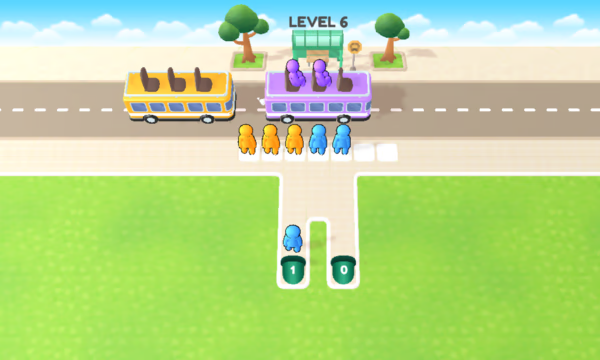
Figure 2. Match passengers to the correct buses
What Makes Bus Stop Jam Stand Out?
Color-Matching Mechanics with a Strategic Twist
Color matching is the basic rule that helps players identify the connection between passengers and buses. Each group of people has a distinct color, while the vehicles use corresponding colors. However, Bus Stop Jam goes beyond simply finding two objects with the same color. Players also need to consider passenger positions, bus order, and the number of empty waiting slots. A matching group may not be the best choice when moving its passengers into the waiting area could leave other groups without enough room to move.
Limited Waiting Slots Create Constant Challenges
The limited waiting slots create noticeable pressure throughout each level. Every available space needs to be used carefully because each passenger moved into the area affects how many spots remain. This mechanic requires players to balance two tasks: moving passengers into the waiting area and getting buses to leave as soon as possible.
Increasing Difficulty and More Complex Decisions
The game becomes more challenging as players encounter increasingly complicated passenger and bus arrangements. Keeping track of multiple color groups, movement order, and pressure on the waiting area requires greater focus in every level.
In the early stages, identifying the right passengers may be fairly simple. However, when several groups appear at once, players need to monitor multiple factors simultaneously. One poorly planned move can affect the entire strategy and make the following steps much harder.
Colorful 3D Graphics and Smooth Animations
The 3D graphics give the bus station a lively appearance. The vehicles feature bright colors that make each bus easy to distinguish on the screen. Passengers are also shown in corresponding colors, creating a clear visual connection between the characters and the task at hand.
The level layout centers on the boarding area, rows of passengers, and buses waiting to pick them up. The 3D perspective gives these objects a sense of depth while highlighting the crowded atmosphere of the station. Thanks to the clear color coding, players can quickly identify which groups to prioritize without spending too much time searching.
Animations showing passengers boarding and buses pulling away make the puzzle-solving process easier to follow. Every completed action changes the layout, helping players keep track of their progress throughout the level.
Helpful Power-ups to Overcome Difficult Levels
Undo Move - Reverse an Unfavorable Decision
Undo Move allows players to reverse their previous action, making it especially useful when they realize that their latest choice does not fit the current plan. In a game with limited waiting slots, even one incorrect move can cause the waiting area to become overcrowded.
For example, players might move a passenger into a waiting slot before realizing that another color group should be prioritized to complete a bus first. Undo Move lets them return to the previous step and choose a better option.
This tool provides an opportunity to adjust a strategy without having to continue with an unfavorable decision. However, players still need to observe the layout carefully to avoid repeating ineffective moves.
Hint - Find a Suitable Next Move
Hint provides suggestions when players have trouble deciding which passengers or color groups to handle next. When several buses and passenger groups appear at once, keeping track of the entire layout can become complicated.
Instead of choosing randomly, players can use this tool to find a more suitable move. It is especially helpful when a level offers several possible choices or when a sequence of actions needs to be completed in the right order.
Shuffle - Rearrange the Current Situation
Shuffle helps change the current arrangement, offering another way to approach the puzzle when the original layout becomes difficult to manage. This tool is particularly useful when players struggle to reach the passengers they need or reorganize the waiting area.
Rather than continuing with an ineffective arrangement, Shuffle gives players a chance to reassess the situation and build a new strategy. After using it, they should still check the colors, passenger positions, and bus order before making their next move.
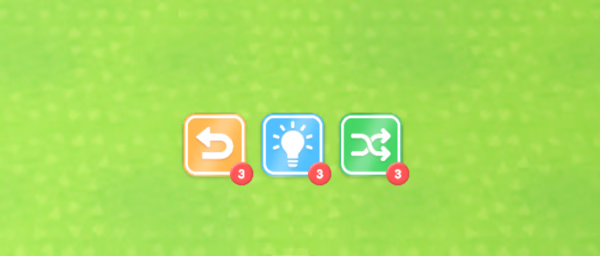
Figure 3. Use Undo, Hint, and Shuffle in Bus Stop Jam
Smart Tips and Strategies for Better Results
Understanding the color-matching rules is the first step. To handle more complicated levels, players should combine the following strategies:
- Observe the Bus Order: Check the order in which buses appear and note each vehicle's color before selecting passengers. This helps identify which groups should be prioritized.
- Prioritize Matching Passengers: Focus on passengers whose colors match the buses currently waiting. Completing these groups allows the vehicles to leave and frees up space.
- Keep Waiting Slots Available: Avoid using every waiting slot for passengers who do not have a matching bus available. Empty spaces provide more options when the situation changes.
- Plan Moves Ahead: Do not focus only on the bus currently at the front. Pay attention to the upcoming vehicles and anticipate which passenger groups need to move to prevent traffic jams.
Take Control of the Bus Stop and Explore More Puzzles!
Bus Stop Jam combines color-matching mechanics with passenger management in a lively bus station setting. From identifying matching color groups to managing limited waiting slots, every level challenges players to observe the layout and plan their moves. Buses gradually leave the station once they complete their boarding tasks, creating a clear puzzle-solving progression. Meanwhile, the increasing difficulty brings new challenges to the experience.
For players who enjoy sorting challenges and spatial puzzles, Block Blast is another game worth exploring. This 3D version builds on the familiar Block Blast gameplay, bringing block-shaped pieces to a board with a greater sense of visual depth. Players drag and drop blocks into empty cells, completing horizontal rows or vertical columns to clear them and earn points. Every placement requires careful thought because the game ends when none of the remaining pieces can fit on the board. Block Blast 3D offers a different kind of challenge while keeping the appeal of puzzle games, where every decision can affect the chance of achieving a high score.